Supplemental claims are a normal part of insurance.
An adjuster can conduct a thorough inspection and still not see everything. Once repairs begin, technicians and contractors may uncover damage that wasn’t visible during the original inspection. A mechanic might find additional damage inside an engine. A contractor might discover structural issues behind a wall. Building code updates, changing material costs and labor rates can also create legitimate additions to an original estimate.
The challenge isn’t that supplemental claims exist.
The challenge is what happens when supplemental claims sit in limbo.
For insurers, repair delays can create costs that extend far beyond the amount of the supplement itself. Rental vehicles, temporary housing, storage fees and additional labor can continue to accumulate while everyone waits for an approval.
That makes faster supplemental claim approvals more than an operational goal. They can have a direct impact on claims costs and the policyholder experience.
The Real Cost of a Supplemental Claim Delay
A supplemental claim can represent legitimate additional damage that simply wasn’t visible during the initial inspection. But once the supplement is submitted, every day spent waiting for approval can create additional downstream costs.
Extended loss of use
When a vehicle remains at a repair facility or a property remains uninhabitable, the insurer may continue paying for rental vehicles, temporary housing, hotels or other loss-of-use expenses.
The longer repairs take, the longer those costs can continue.
Inefficient repair work
Technicians and contractors often can’t complete the next phase of a repair until supplemental damage has been reviewed and approved.
That can leave skilled workers waiting for authorization, disrupting schedules and extending repair timelines.
Secondary damage
Some repairs become more urgent the longer they remain unfinished.
An exposed roof or open wall can be vulnerable to weather, water intrusion, mold and additional structural damage. A delay can potentially turn one supplemental issue into a larger claim.
Storage fees
Vehicle storage is another cost that can accumulate while a repair facility waits for an insurer to approve additional work.
Even a short delay can become expensive when a shop charges a daily storage rate.
Why Traditional Supplement Reviews Take Time
The fastest way to approve a supplement is to give an adjuster enough reliable information to make a decision.
Historically, that hasn’t always been easy.
A physical reinspection requires an adjuster to travel to the vehicle or property. A desk review may require repairers to send additional photographs, documentation or explanations before the adjuster has enough information to make a decision.
That back-and-forth takes time.
And when the information isn’t sufficient to establish the scope of additional damage, the process can stall until someone can physically inspect it.
Verified Video Can Bring the Inspection to the Adjuster
Verified video provides another way to approach supplemental claims.
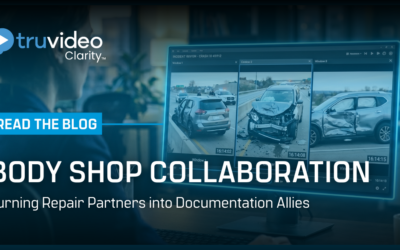
With guided video, body shops and contractors can capture supplemental damage and submit visual documentation remotely. Adjusters can review that evidence without necessarily needing to schedule another physical inspection.
More complete visual information can help adjusters understand:
- What additional damage was discovered
- Where the damage is located
- The condition and context surrounding the damage
- Why additional repairs or materials may be required
- What work is being proposed
The goal isn’t to replace an adjuster’s expertise or eliminate inspections when they are necessary.
It’s to provide better information sooner, so adjusters can make informed decisions without adding an unnecessary trip to the process.
Same-Day Approvals Can Keep Repairs Moving
When supplemental damage can be documented and reviewed quickly, the benefits extend beyond the claims department.
Work continues uninterrupted
Technicians and contractors can move forward with repairs instead of stopping while they wait for approval.
Costs stay under control
Keeping repairs on schedule can help reduce rental vehicle, temporary housing and storage costs while moving the claim toward closure.
Policyholders experience less disruption
For someone waiting to get their vehicle back or return to their home, every additional day matters. Faster approvals can reduce the time they spend dealing with the disruption of a loss.
Adjusters spend less time coordinating re-inspections
When remote visual evidence provides enough information to make a decision, adjusters can potentially avoid unnecessary travel and the scheduling delays that come with it.
From Supplement Delay to Same-Day Decision
Supplemental claims aren’t going away. Hidden damage will continue to emerge. Repair costs will continue to change. And adjusters will never be able to see through walls or into an engine block during an initial inspection.
But the claims process can become more responsive to what happens next.
Verified video gives repairers a way to capture additional damage remotely and gives adjusters the visual evidence they need to evaluate it sooner.
That can turn the time between “we found more damage” and “approved to proceed” from a bottleneck into an opportunity to keep the repair moving.
Because when every day of downtime can create additional expense, faster supplemental approvals aren’t just better for the claims experience. They’re better for the economics of the claim.
Learn how TruVideo uses verified video to help insurers streamline supplemental claims, improve visibility and keep repairs moving at truvideo.com/insurance.